The Ultimate Bali Food Guide: A Local's Journey Through the Island's Best Flavors
Bali food is deeply rooted in Hindu traditions that stretch back over a thousand years. Every dish served in Bali carries meaning, from the offerings prepared daily in homes and temples to the elabora
The Experience
Bali food is deeply rooted in Hindu traditions that stretch back over a thousand years. Every dish served in Bali carries meaning, from the offerings prepared daily in homes and temples to the elaborate ceremonial feasts served during weddings, tooth filings, and temple anniversaries. When you eat in Bali, you are not just consuming calories. You are participating in a living tradition that connects the island's people to their ancestors, their gods, and their land.
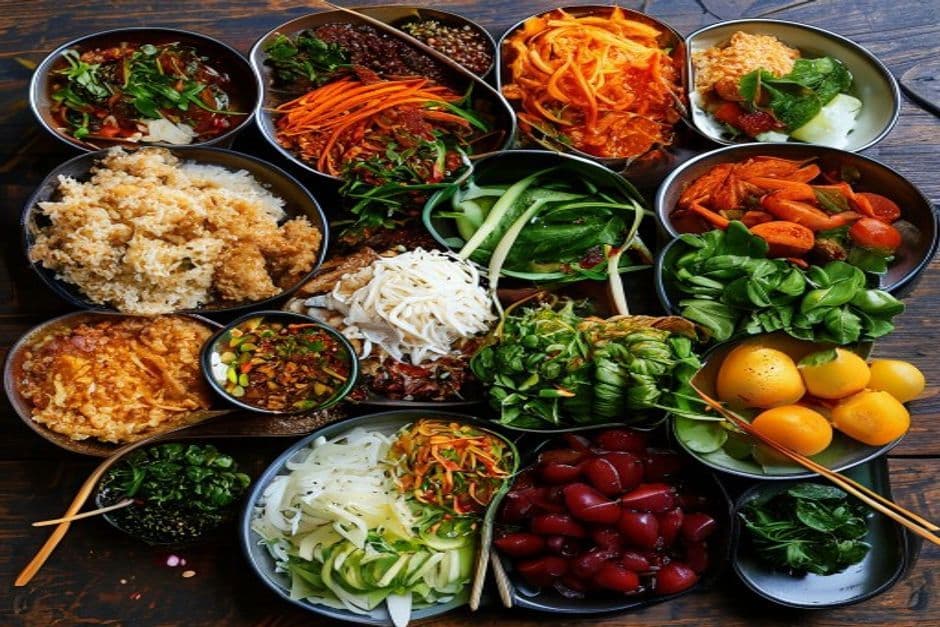
If you only try one dish during your visit to Bali, make it nasi campur. This seemingly simple plate of rice accompanied by an array of side dishes represents the full complexity of Balinese cuisine in a single serving. The word "campur" means mixed, and that is exactly what you get: a customized selection of meats, vegetables, sambals, and accompaniments arranged over fragrant steamed rice.
Babi guling is perhaps the most famous Bali food among international visitors, and for good reason. This whole roasted pig is seasoned inside and out with a complex mixture of turmeric, coriander, lemongrass, and other spices, then roasted slowly over an open fire until the skin becomes impossibly crispy while the meat remains succulent and infused with flavor.
Lawar is a traditional Balinese dish that showcases the island's agricultural abundance and culinary sophistication. This mixture of finely chopped vegetables, minced meat, coconut, and spices is prepared in countless variations across Bali, with each region and family claiming their own perfected recipe. The dish is typically cooked with fresh pork, but chicken lawar, beef lawar, and even jackfruit lawar are common alternatives.
Ayam betutu is a dish that requires patience, skill, and respect for tradition. A whole chicken is stuffed with a generous mixture of base genep spice paste, then wrapped in banana leaves and slow-roasted or buried in embers for up to 24 hours. The result is meat so tender it falls from the bone at the slightest touch, yet every fiber is infused with layers of aromatic spices that reflect hours of careful preparation.
The heart of Bali food culture beats not in upscale restaurants but in the thousands of warungs scattered across the island. A warung is a small, family-run eatery, often no more than a few tables under a simple roof, where the cook is also the owner, the ingredient buyer, and often the only person you will see during your meal. These establishments offer the most direct window into how locals eat daily.
Traditional markets are where Bali food begins its journey from farm to table, and visiting one is an essential part of understanding Balinese cuisine. The markets are typically busiest in early morning, when farmers bring fresh produce from their fields and fishers bring their overnight catch. The atmosphere is intense, colorful, and sensory-overwhelming in the best possible way.
One of the first things visitors notice about Bali food is the prominent use of chili and spice. Sambal, the ubiquitous condiment made from various chili varieties, appears on nearly every table and in nearly every dish. Balinese cooking uses chili not just for heat but for depth of flavor, and the different sambals you encounter will range from bright and fresh to deeply fermented and complex.
Bali's food scene accommodates a wide range of dietary needs, though planning is sometimes required. The majority of Balinese cuisine uses pork as its primary protein, which means traditional dishes like babi guling and many lawar preparations are not suitable for Muslim visitors or those who avoid pork for other reasons. However, chicken, fish, and vegetable-based dishes are abundant and delicious.
Timing matters significantly in Bali food culture. Lunch is often the main meal for workers on the go, while dinner tends to be a more relaxed family affair. Warungs often sell out of their best dishes by early afternoon, so arriving between 11am and 1pm typically offers the freshest selection. Morning market visits are best completed by 8am if you want to see the full array of ingredients available.
Bali food is more than sustenance. It is a language that communicates the island's history, spirituality, and daily rhythms in ways that transcend words. From the ceremonial complexity of ayam betutu to the humble perfection of nasi campur from a roadside warung, every dish offers a window into Balinese culture that you can taste, smell, and feel.