The Complete Bali Temple Guide: 15 Sacred Temples You Must Visit
Discover Bali's most sacred temples with this complete guide. From sea temples to mountain shrines, plan your temple visits like a local.
Experience Highlights
- Why Bali Is Known as the Island of a Thousand Temples
- The Difference Between Pura, Kahyangan, and Temple of the Sea
- The Most Sacred and Significant Bali Temple: Pura Besakih
- Pura Tanah Lot: Bali Temple at the Edge of the World
- Pura Luhur Uluwatu: Cliff Edge and Kecak Fire Dance
- Pura Ulun Danu Beratan: Temple on the Lake
- Goa Gajah: The Elephant Cave Temple
The Experience
Bali earns its nickname not because there are exactly one thousand temples here, though the number is actually far higher. The island is home to roughly twenty thousand temples, ranging from tiny household shrines no bigger than a breadbox to massive compounds that take half a day to explore properly. What makes Bali different from most places is not the quantity but the continuity. Hinduism arrived here in the first century, evolved over centuries into its own distinct Balinese form, survived the spread of Islam across much of Indonesia, and emerged as one of the most vibrant living religious traditions in Southeast Asia.
You will hear three main terms used interchangeably by visitors, but locals make clear distinctions. Pura is the general word for temple, referring to any sacred Hindu compound. Kahyangan refers specifically to the nine directional temples believed to protect the whole island, with Pura Besakih on the slopes of Mount Agung being the most famous of these. And when you see references to sea temples, those are the coastal shrines, traditionally believed to form a spiritual chain protecting Bali from oceanic forces.
No Bali temple guide can skip Pura Besakih. Perched on the southeastern slopes of Mount Agung at around one thousand meters elevation, this is the largest, oldest, and most sacred temple complex on the island. Archaeological evidence suggests the oldest structures here date to the tenth century, and some families have records of continuous priestly lineages stretching back over a hundred generations.
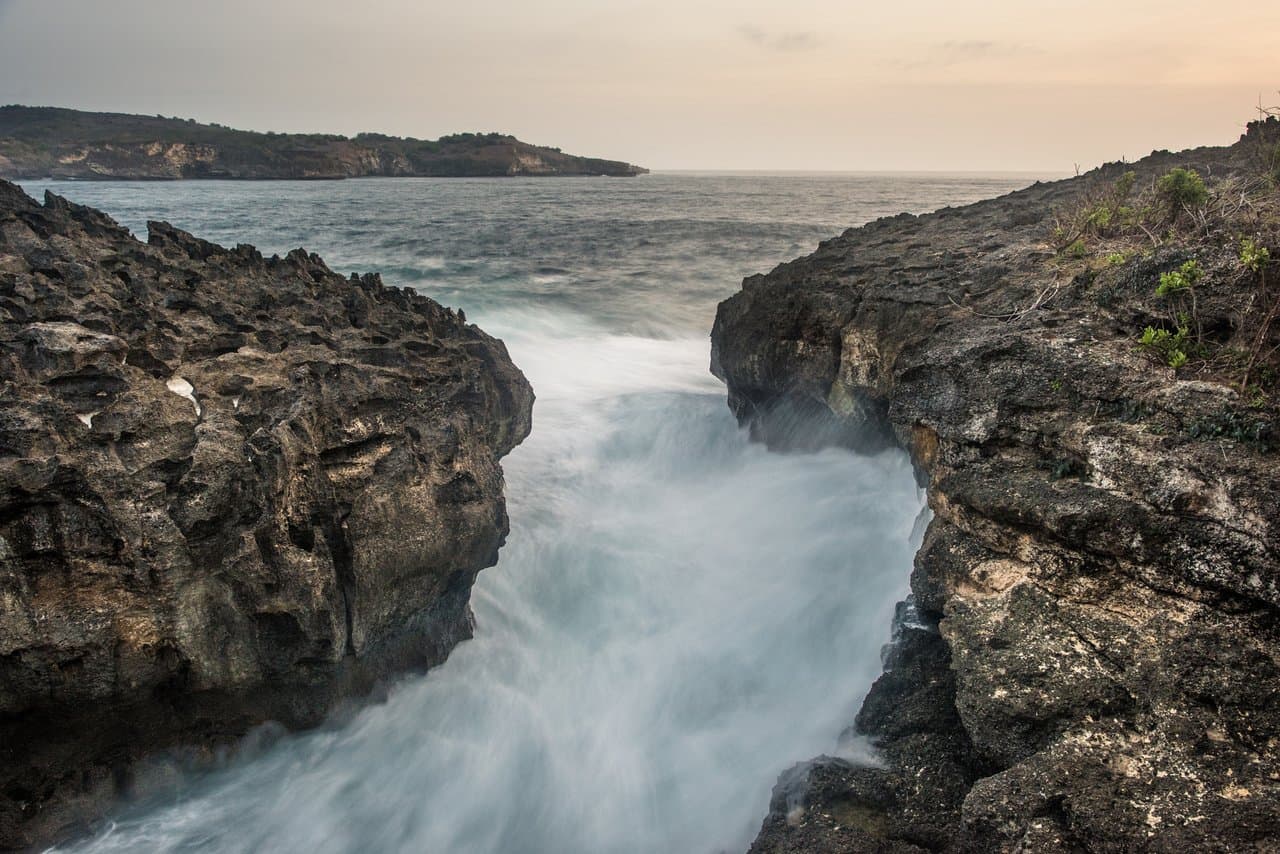
If you have seen a photograph of Bali with dramatic ocean cliffs and crashing surf framing an ancient temple, that was probably Tanah Lot. This pura sits on a rocky outcrop roughly thirty meters offshore, completely surrounded by seawater at high tide. The temple itself is not accessible to visitors, but the surrounding cliff-top pathways and viewing platforms offer some of the most spectacular coastal scenery on the island.
Uluwatu crowns a vertical limestone cliff dropping straight into the ocean below, roughly seventy meters above the water. Of all the temples I have visited on this island, Uluwatu feels the most dramatic simply because of its position. You stand at the edge of a cliff, wind pulling at your clothes, staring out at an ocean that seems impossibly vast, and then you turn around and there is this ancient temple alive with incense and flower offerings and the hum of activity.
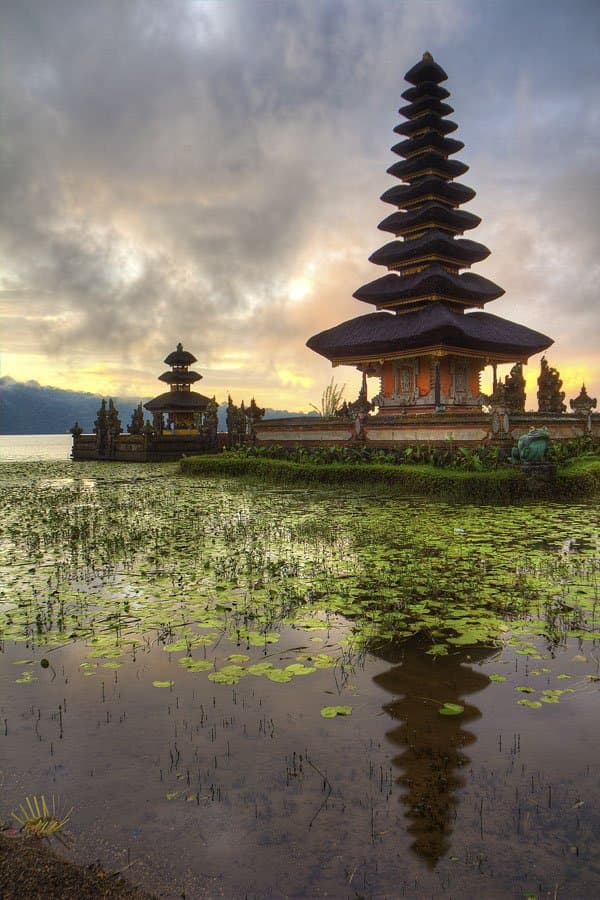
Ulun Danu Beratan sits on the northwestern shore of Lake Bratan, a volcanic crater lake at roughly twelve hundred meters elevation in the Bedugul highlands. The temple is dedicated to the goddess of the lake, Dewi Danu, and its five-tiered pagoda roofs reflected in the still water are the image most people have when they think of iconic Bali photography.
Goa Gajah is one of the most historically significant archaeological sites in Bali, and it frequently gets overlooked by visitors rushing between the beach temples and Ubud. The cave entrance carved into a rock face is striking, with its disturbing face carved figures flanking the entrance, believed to represent guardians or possibly the Hindu god Shiva. The site dates to the ninth century and was likely a meditation retreat as much as a place of worship.
Tirta Empul is where Balinese Hindus come to be purified. The temple complex features multiple pools fed by natural spring water that bubble up through carved stone spouts. Worshippers move from one bathing station to the next, allowing the sacred water to flow over them while priests recite prayers. The system of channels and pools has been operating continuously since around 960 AD according to the inscription carved at the site.
Taman Ayun in Mengwi is one of those temples that rewards visitors who take the time to look carefully. Built in 1634 as the royal temple of the Mengwi kingdom, the compound is surrounded by a wide moat that gives it the appearance of floating on water, hence the name. The temple was largely destroyed when the Mengwi kingdom fell to the Dutch in the late nineteenth century, but portions were restored, and the remaining architecture is genuinely impressive.
Kehen is one of the most visually distinctive temples in Bali because of its unusual terraced layout ascending a hillside in Bangli regency. Rather than a flat compound, you climb through eight terraces connected by steep stone staircases, each level smaller than the one below, creating a pyramid effect that reflects the volcanic landscape around it. The temple is dedicated to the god of the sea and the ancestors, and it has served as the state temple of the Bangli kingdom since at least the eleventh century.
Penataran in the village of Sanaan in the Bangli highlands is the largest temple complex in east Bali and one of the most important on the island after Besakih. The compound stretches across a hillside in a series of terraces, and its origins trace back to the twelfth century during the early Warmadewa dynasty period. Unlike many temples that feel finished and polished, Penataran retains a raw, lived-in quality that I find deeply compelling.
Lempuyang has become one of the most photographed temples in Bali largely because of the famous split gate that frames Mount Agung in the background. The gate, called the Pura Penataran Agung, stands at the entrance to the main compound and creates a perfectly symmetrical frame that visitors find irresistible. Instagram and travel blogs have made this one of the most visited temples on the island, which is worth knowing before you plan your trip.
Within the Bali Botanical Garden near Bedugul, you will find several smaller temples including Pura Bratan and Pura Sangeon. These are not dramatic tourist destinations in the traditional sense, but they offer something equally valuable. They offer an authentic temple experience without crowds, in a setting of extraordinary natural beauty, where you can observe Balinese worshippers going about their daily devotions without an audience of tourists.
Respecting temple protocol is not complicated, but it is important. Every pura requires visitors to wear a sarong and sash around the waist. These are available for rent or purchase at nearly every major temple for a small fee, typically between five and fifteen thousand rupiah. Wearing them correctly matters. The sarong wraps around your waist and legs, and the sash ties at the side. Ask someone at the temple entrance to show you if you are unsure.
Morning visits between seven and ten offer the best combination of cooler temperatures, active ceremonies, and fewer tourists. Balinese families typically perform morning offerings at their household shrines before heading to larger temples, so you are most likely to see authentic worship in progress during this window.
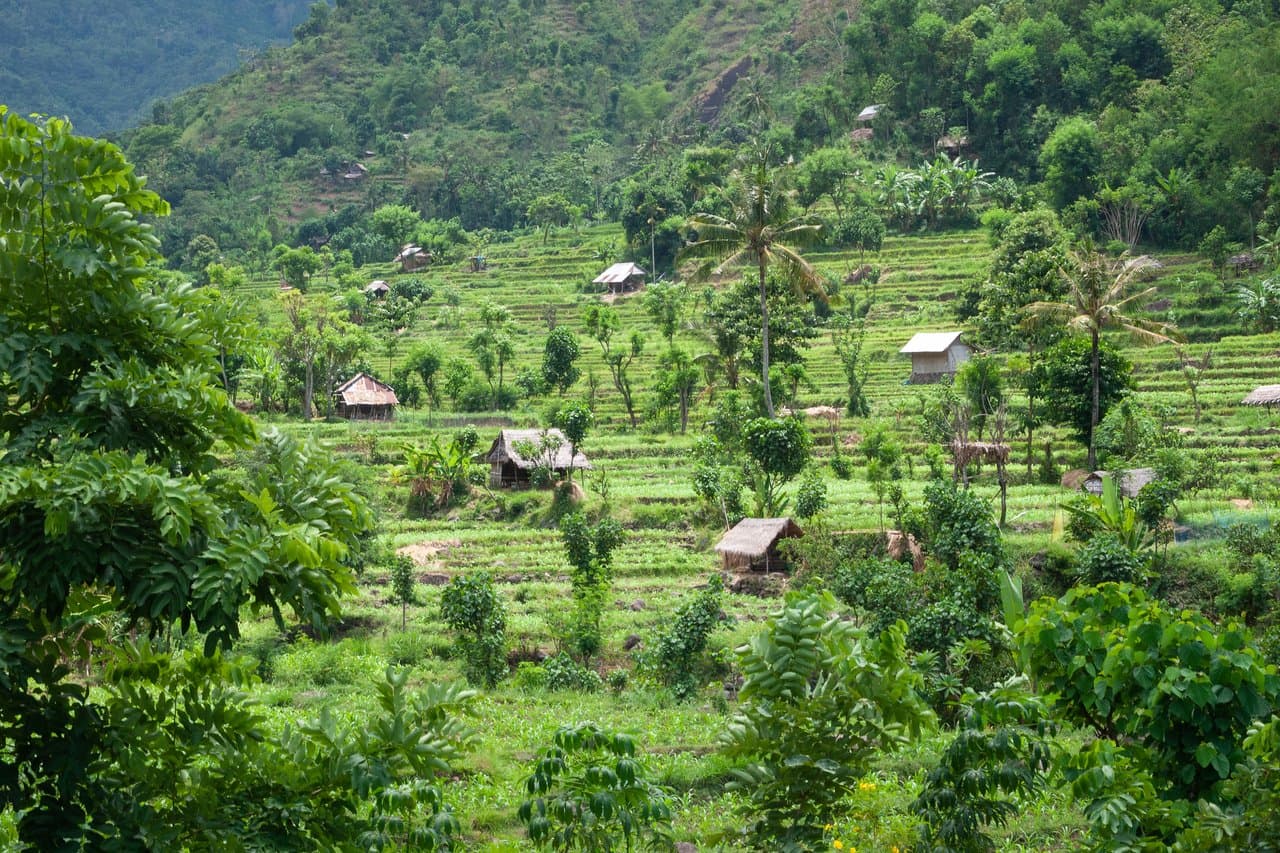
Rather than visiting one temple and moving on, I always encourage visitors to combine several temples into a single route. Southeast Bali works well for a full day combining Lempuyang, Tirta Empul, and the water gardens near Sidemen. The drive itself passes through the rice terraces of Sidemen and climbs into the highlands, making the journey between sites as rewarding as the destinations.
Most major temples are accessible by car, and the road infrastructure has improved significantly over the past decade. Renting a car with a driver is the most comfortable option for temple visits, particularly if you want to combine several stops in one day. A private driver for a full day typically costs between five hundred thousand and eight hundred thousand rupiah depending on the route and duration.
Every temple in Bali has a story that predates anything you have ever experienced personally. The stones here were placed by hands that are long gone, the prayers spoken here have been spoken for a thousand years without interruption, and the ceremonies you might witness this afternoon have been performed in this exact location since before your grandparents were born.